You have a week of vacation, a budget in mind, and a strong pull toward the Masai Mara. The first question most travelers ask is simple: how many days Masai Mara should get on their itinerary?
The honest answer is that most first-time visitors do well with 4 days and 3 nights. That gives you enough time for six to eight game drives, a real chance to see the Big Five, and the flexibility to handle a weather delay or a slow wildlife morning.
But the right answer depends on how you travel, when you visit, and what you want to see. This guide breaks down the options from 2 days to 5 days so you can choose with confidence.
How Many Days Masai Mara Do You Need?
The minimum viable trip is 2 days and 1 night. You will fly into the Mara, settle in, do one afternoon drive and one morning drive, then fly out. That is roughly 8 to 10 hours of active game viewing. It works for travelers who are on a stopover or have a very tight schedule.
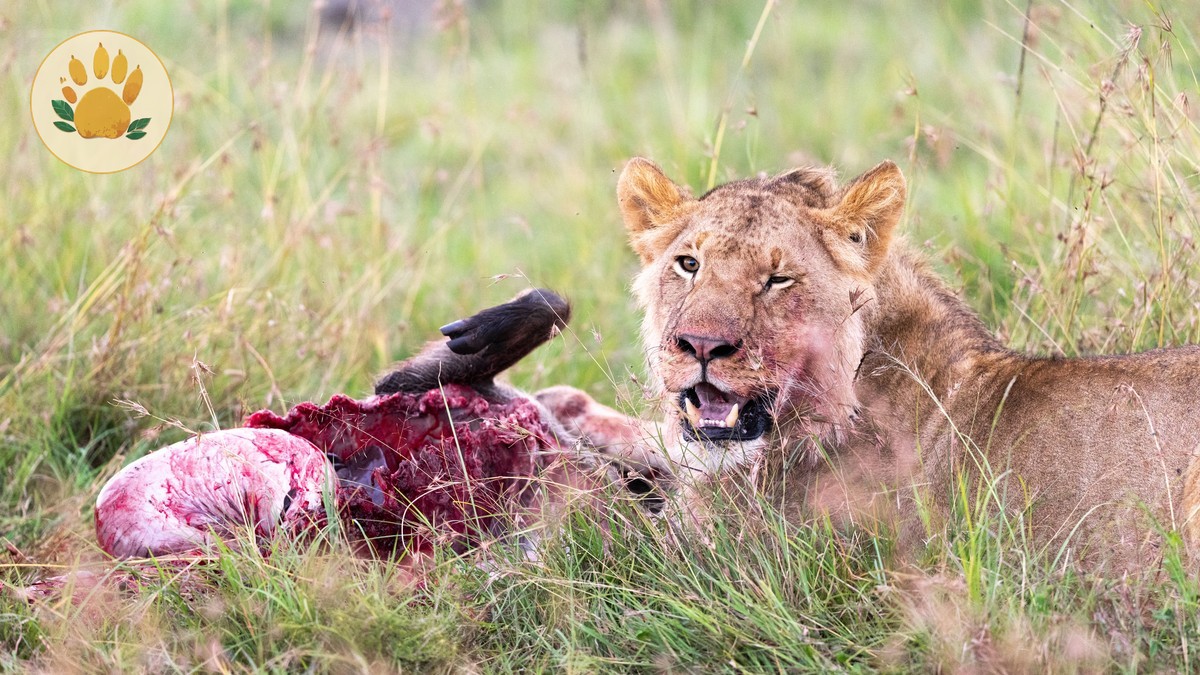
The problem with 2 days is that wildlife does not perform on command. The Mara is 1,510 square kilometers of open grassland, riverine forest, and rolling hills. Animals move. A leopard that showed itself yesterday might not appear today. Two game drives give you about 16 hours of daylight to find a lion, leopard, elephant, buffalo, and rhino. The black rhino is the hardest of the Big Five to spot, and it might take several drives just for one sighting.
For most people, 3 days and 2 nights feels more comfortable. You get four game drives. That is enough time to adapt to the rhythm of the bush, learn from your guide, and cover different areas of the reserve.
The sweet spot, and the answer this guide recommends for most first-time travelers, is 4 days and 3 nights. That gives you six full game drives. You have time to chase a leopard sighting, spend a full morning watching a lion pride, and still have an afternoon to explore the Mara River if you are there during migration season.
2 Days vs 3 Days vs 4 Days vs 5 Days: A Comparison
| Duration | Nights | Game Drives | Best For | Typical Pace | What You Miss |
|---|---|---|---|---|---|
| 2 days / 1 night | 1 | 2 to 3 | Stopovers, tight schedules | Rushed, limited territory | Leopard sightings, river crossings, relaxed mornings |
| 3 days / 2 nights | 2 | 4 | Budget trips, first quick taste | Steady, efficient | Backup time for slow days, deep conservancy visits |
| 4 days / 3 nights | 3 | 6 | Most first-time travelers | Balanced, unhurried | Extended time in one habitat, night drives in conservancies |
| 5 days / 4 nights | 4 | 8 | Enthusiasts, photographers, migration chasers | Relaxed, in-depth | Very little, but costs more |
Drive times and flying times matter as much as the number of days. If you fly from Nairobi’s Wilson Airport to the Masai Mara, the flight takes 45 to 60 minutes depending on which airstrip you use. The drive from Nairobi to the reserve takes 5 to 6 hours on the main route through Narok, plus another hour inside the reserve to reach many camps.
| Route | Distance (km) | Time | Notes |
|---|---|---|---|
| Nairobi to Sekenani Gate (road) | 270 | 5 to 6 hours | Main route, good tarmac to Narok, then gravel |
| Nairobi to Talek Gate (road) | 260 | 5 to 6 hours | Similar to Sekenani, popular for camps in the Talek area |
| Wilson Airport to Mara North Airstrip (flight) | 240 | 50 to 60 minutes | Serves conservancies like Mara North |
| Wilson Airport to Kichwa Tembo Airstrip (flight) | 230 | 45 to 55 minutes | Serves the reserve’s western side |
If you drive from Nairobi, a 3-day safari means you lose most of Day 1 and part of Day 3 to travel. You effectively get two full days in the Mara, which is the same as the 2-day fly-in option. That is the hidden math behind many short safari itineraries.
How Many Game Drives Do You Get?
A standard safari day follows a predictable rhythm. You wake before dawn, head out for a 6:00 a.m. to 6:30 a.m. game drive, return to camp for a late breakfast and a midday rest. Then you head out again around 3:30 p.m. for an afternoon drive that ends at sunset. Some camps also offer a short night drive if you stay in a private conservancy.
Here is what that means for each trip length:
- 2 days, 1 night: You get an afternoon drive on arrival day and a morning drive on departure day. That is 2 drives, or roughly 8 to 10 hours.
- 3 days, 2 nights: You get an afternoon drive, a full day of two drives, and a morning drive. That is 4 drives, or roughly 16 to 18 hours.
- 4 days, 3 nights: You get an afternoon drive, two full days of two drives each, and a morning drive. That is 6 drives, or roughly 24 to 27 hours.
- 5 days, 4 nights: You get 8 drives, or roughly 32 to 36 hours.
For a first-time visitor, 4 drives can feel like enough if you are lucky. But luck should not be your plan. The difference between 4 and 6 drives is often the difference between seeing a leopard and missing one.
Is 3 Days Enough for the Masai Mara?
Yes, 3 days and 2 nights is enough for a meaningful safari, provided you fly in rather than drive. You will get four game drives, which is a solid introduction to the ecosystem.
The trade-off is that you have almost no buffer. If a morning game drive gets cut short by a rainstorm, you lose one of your four opportunities. If the wildebeest herds are not near the river on the day you visit, you cannot wait another day for a crossing.
For travelers on a budget, 3 days is the most common entry point. A typical 3-day fly-in safari to a mid-range camp costs between USD 850 and USD 1,400 per person sharing. That includes the flight, full board accommodation, game drives, and park fees. The Masai Mara National Reserve charges USD 100 per adult per day from January to June and USD 200 per day from July to December. That fee is included in most all-inclusive safari packages, but confirm it with your operator.
Is 4 Days Better Than 3 Days in the Masai Mara?
It is better for most people. The extra night gives you six game drives instead of four. That is a 50 percent increase in your time watching wildlife for roughly a 30 percent increase in cost.
A 4-day fly-in safari to a mid-range camp typically costs between USD 1,100 and USD 1,800 per person sharing. The extra night adds accommodation, meals, and one more day of park fees, but you already paid for the charter flight, so the marginal cost is lower than you might expect.
The practical benefit of the extra day shows up in the middle of the trip. On Day 1 you are adjusting to the time zone, the dust, and the rhythm of camp life. On Day 2 you start to understand how your guide reads tracks and follows herds. By Day 3 you are fully present, and that is often the day the magic happens.
What About 5 Days or More?
If you have the time and the budget, a 5-day safari is a luxury that pays off. Eight game drives across four nights means you can spend a full morning at a river crossing during migration season, devote an afternoon to a conservancy like Naboisho or Mara North, and still have time for a walking safari or a hot air balloon ride.
A 5-day fly-in safari to a mid-range camp costs roughly USD 1,400 to USD 2,200 per person sharing. The extra day also opens the option of splitting your stay between two camps, one in the reserve and one in a private conservancy.
Conservancies like Naboisho and Mara North have higher rates, roughly USD 80 to 150 per person per night, but the money goes directly to the local Maasai landowners. You also get the benefit of fewer vehicles. In the reserve, you might share a leopard sighting with a dozen other vehicles. In a conservancy, you often have the sighting to yourself.
Should You Fly or Drive for a Short Safari?
For any safari of 3 days or fewer, flying is the better choice. You lose almost no time to travel, and you arrive fresh. The flight from Wilson Airport to a Mara airstrip takes under an hour.
Driving makes sense on a 4-day or 5-day itinerary, especially if you want to stop at the Great Rift Valley viewpoint or visit a Maasai village along the way. The drive also costs less. A shared shuttle van costs USD 50 to 80 per person each way. A private 4×4 with a driver-guide costs USD 200 to 350 per day.
But driving has hidden costs. You arrive tired, and a 5 to 6 hour journey often stretches to 7 hours with a lunch stop and road conditions. For a 2-day or 3-day trip, that lost time is too expensive.
How the Great Migration Affects Your Timing
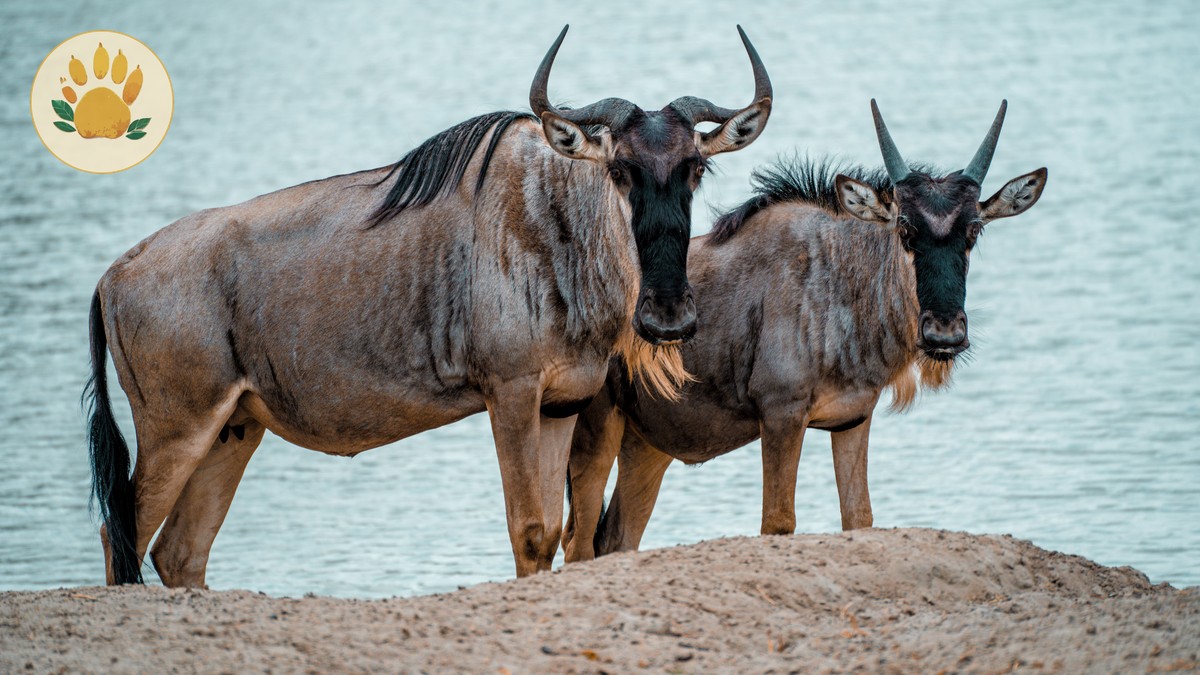
The Masai Mara is a year-round wildlife destination. The resident lion, leopard, elephant, and buffalo populations are always present. But the Great Migration, the movement of over 1.5 million wildebeest and 200,000 zebras between Tanzania’s Serengeti and Kenya’s Masai Mara, changes the experience dramatically.
The herds typically arrive in the Mara from late July and stay through October. This is the peak migration season, and the reserve charges USD 200 per adult per day from July to December. River crossings on the Mara River are most likely in August and September, but they are never guaranteed.
If your main goal is to see a river crossing, plan for at least 4 days. A crossing can happen at any hour, and you might sit on the riverbank for two hours watching thousands of wildebeest hesitate, turn back, and finally plunge in. You need multiple opportunities to catch that moment.
If you are traveling in the low season, from January to June, 3 days is more reasonable. The resident wildlife is still abundant, the landscape is greener, and the fees are lower.
What About Budget and Total Costs?
Park fees are only part of the cost. Your lodge or camp, flights or transport, and guide fees all add up. Here is a rough breakdown for a mid-range safari in 2026:
| Item | 3-Day Safari | 4-Day Safari | 5-Day Safari |
|---|---|---|---|
| Round-trip flight (Nairobi to Mara) | USD 250 to 350 | USD 250 to 350 | USD 250 to 350 |
| Mid-range camp, full board (per night) | USD 250 to 400 | USD 250 to 400 | USD 250 to 400 |
| Reserve park fees (per day, high season) | USD 200 | USD 200 | USD 200 |
| Total per person sharing (estimate) | USD 1,100 to 1,600 | USD 1,400 to 1,900 | USD 1,700 to 2,300 |
For a fuller picture of what a complete Kenya itinerary costs, our guide to how much a safari costs in Kenya breaks down each park and lodge category in detail.
Should You Stay in the Reserve or a Conservancy?
The Masai Mara National Reserve is the core area. It is where most travelers see the classic images of lions on the plains and wildebeest crossing the river. The reserve has no fences, and the wildlife roams freely.
Staying inside the reserve means shorter drives to the prime wildlife areas. Camps inside the reserve are also more affordable. The downside is vehicle numbers. During peak season, a lion sighting can attract a crowd of 15 to 20 vehicles.
Private conservancies like Naboisho, Mara North, and Olare Motorogi sit alongside the reserve and offer a different experience. They limit vehicle numbers, allow night drives, and often offer guided walking safaris. The cost is higher, roughly USD 80 to 150 per person per night bundled into your lodge rate, but the exclusivity is worth it for many travelers.
The best plan for a 4-day or 5-day safari is to split your stay. Spend two nights inside the reserve for the classic Mara experience, then two nights in a conservancy for a more intimate one.
The SafariPure Difference
SafariPure does not sell a one-size-fits-all package. We match the trip length to your travel style, your budget, and what you want out of the bush. If you have 3 days, we build an itinerary that maximizes your four game drives. If you have 5 days, we add a conservancy stay or a walking safari.
Our guides live in the Mara region. They know where the prides den, where the leopard hangs, and where the wildebeest are likely to cross on a given week. We also handle the details that trip up first-time travelers. We arrange your flights or road transport, confirm your park fees are included, and brief you on practical matters like malaria zones in Kenya for safari travelers so you pack the right medication and gear.
We are also patient. We answer questions before you book, and we adjust the itinerary after you arrive. A 4-day safari should not feel like a checklist. It should feel like time in the wild, done properly.
Your Next Step
Choosing how many days Masai Mara deserves is the first decision, not the last one. Start with a 4-day trip if you have the space in your schedule. If you are short on time, 3 days works. If you have the budget for 5 days, take them.
Tell us your dates, your travel style, and what you most want to see. We will build a safari that fits, with real camps, real drive times, and realistic costs. Plan your Masai Mara safari with SafariPure today and let us handle the rest.